





Suicidal Thoughts to Suicide: A Process Not to Be Ignored, the Unspoken Taboo for Families
Translated from Column Sharing, Decoding Mental Health, Hong Kong Economic Times |Date: 17/06/2019|
The topic of “suicide” is controversial, and society has previously advocated against media reporting on suicide cases due to the contagious nature of the subject, fearing it might lead to copycat incidents. Research indicates that whenever someone commits suicide, at least six people are affected (Shneidman, 1993). The most immediate impact is on family members, followed by friends, and even those who learn about the event may be emotionally affected.
The transition from having “suicidal ideation” to committing suicide is a process and not an impulsive act. When triggered, individuals may impulsively resort to “doing something foolish.”
For instance, there was a recent incident where a young man in China, facing setbacks in life and criticized by his mother during a car conversation, impulsively drove off a bridge and did not survive. He felt unsupported and didn’t want to continue living. These reckless thoughts and actions don’t happen suddenly! No matter how much his mother may cry in regret, it is too late.
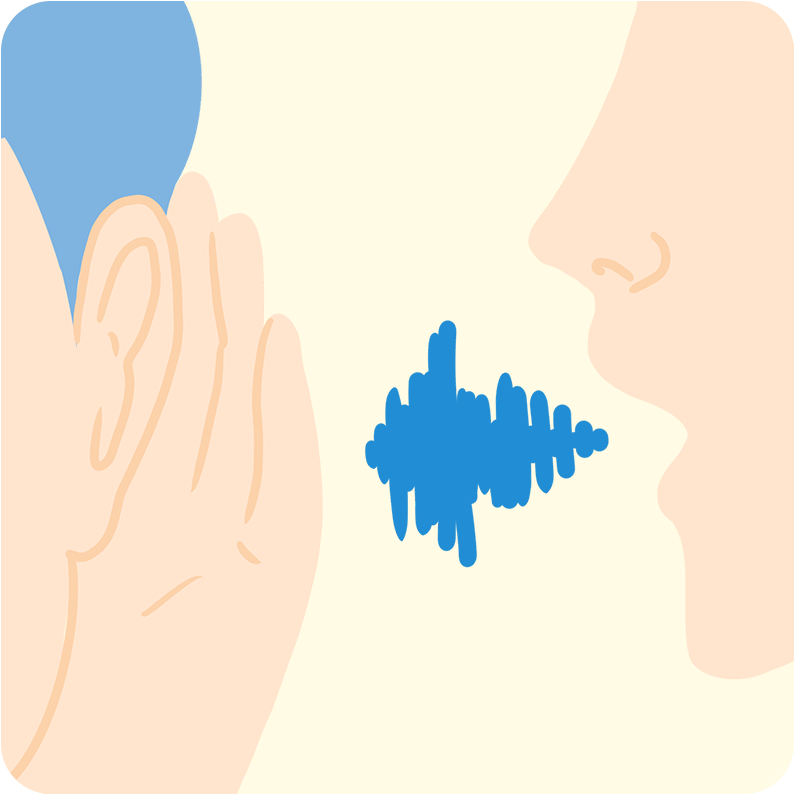
More Listening and Caring
As close relatives, if we pay careful attention to our loved ones, spend a little more time listening, and offer more care and encouragement, tragedies can be prevented. People with suicidal thoughts are often sensitive and self-blaming, so conversations with them should avoid a harsh and critical tone, like saying, “Your actions are foolish, and you can’t be taught.” Parents are encouraged to say NO to “critical teaching.”
If you find that a family member or friend has suicidal thoughts and you choose to avoid the topic, thinking that a simple phrase like “Don’t think too much” solves the person’s problems, it might be considered irresponsible. If you genuinely care, be a good listener, encourage the person to express their problems and feelings, and avoid criticizing them, as you may not fully comprehend their pain. If you don’t feel you’re a good listener, help the person find a more suitable confidant or seek assistance from social workers or counselors.
If signs of depression in the person for two consecutive weeks were noticed, such as:
1. Low mood
2. Insomnia
3. Loss of appetite
4. Lethargy
5. Avoiding people and activities they used to enjoy
Support should be given to them to seek professional assistance, such as psychologists and psychiatrists.
Changing “Suicide” to “Easygoing Life”
“Suicide” is not just an individual problem but a pressing social issue. Hopefully, starting now, each one of us can spend a little more time caring for those around us, and together, we can transform “suicide” into “easygoing life”!
The author, having researched children and adolescents’ emotions and suicidal behavior at the University of Hong Kong for many years, founded a charity along with other volunteers, aiming to put theories into practice and prevent the public from committing suicide.”
*The idea of changing “Suicide” to “Easygoing Life” was provided by the volunteer, David Ho.
Authored by Dr. Wong Po Shan, Committee Member of the Mental Health Association of Hong Kong, Registered Psychologist in the UK and Hong Kong